

Ambient
Showing 28551–28600 of 29633 results
-
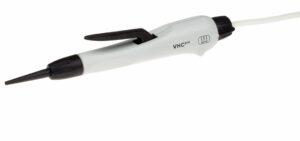
VacuuHandControl VHCpro for BVC
$322.58 Add to cart View Product DetailsVacuuHandControl VHCpro for BVC
-
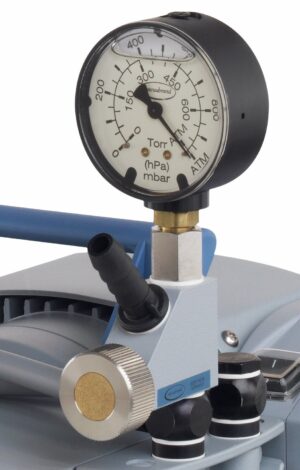
Vacuum Air Regulator Valve
$449.71 Add to cart View Product DetailsVacuum Air Regulator Valve
-
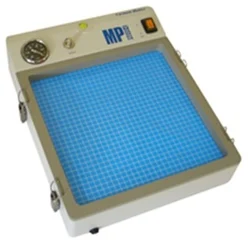
Vacuum Blotter transDNA Express
$3,177.66 Add to cart View Product DetailsThe Vacuum Blotter for quick and efficient transfer of DNA or RNA onto suitable membrane such as Positive Nylon membrane. Transfer efficiency close to 100% in less than one hour with low transfer solution consumption. Large working area 28 x 28 .
-
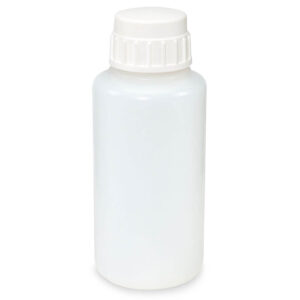
Vacuum Bottle, Heavy Duty, PP, 1 Liter
$45.77 Add to cart View Product DetailsWhite PP 53mm Screw Cap
-

Vacuum Bottle, Narrow Mouth, 2L HDPE
$44.28 Add to cart View Product DetailsVacuum Bottle, Narrow Mouth, 2L HDPE
-
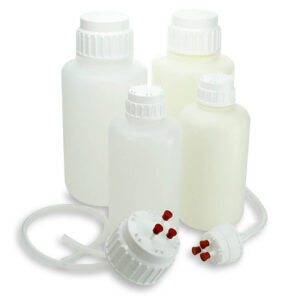
Vacuum Bottle, Narrow Mouth, 2L PP
$79.58 Add to cart View Product DetailsVacuum Bottle, Narrow Mouth, 2L PP
-
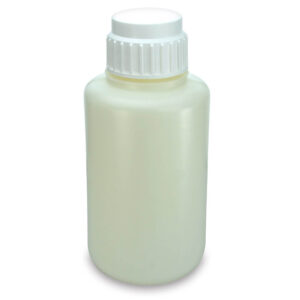
Vacuum Bottle, Narrow Mouth, 4L HDPE
$52.21 Add to cart View Product DetailsVacuum Bottle, Narrow Mouth, 4L HDPE
-
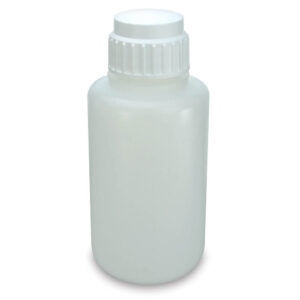
Vacuum Bottle, Narrow Mouth, 4L PP
$62.04 Add to cart View Product DetailsVacuum Bottle, Narrow Mouth, 4L PP
-
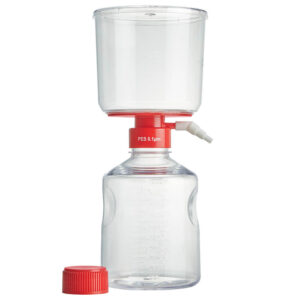
Vacuum Filter System, 1000mL, 0.10μm
$221.49 Add to cart View Product DetailsPES Membrane, STERILE, 1/Bag
-
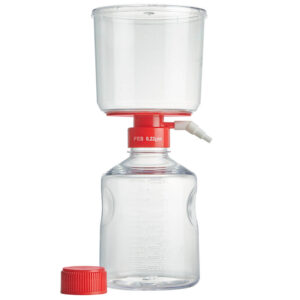
Vacuum Filter System, 1000mL, 0.22μm
$195.16 Add to cart View Product DetailsPES Membrane, STERILE, 1/Bag
-
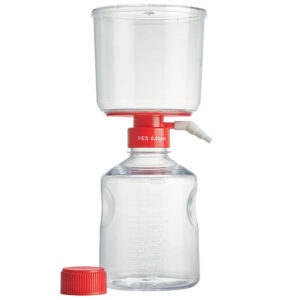
Vacuum Filter System, 1000mL, 0.45μm
$195.16 Add to cart View Product DetailsPES Membrane, STERILE, 1/Bag
-
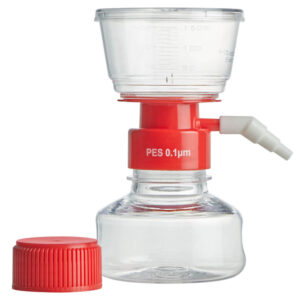
Vacuum Filter System, 150mL, 0.10μm
$94.30 Add to cart View Product DetailsPES Membrane, STERILE, 1/Bag
-
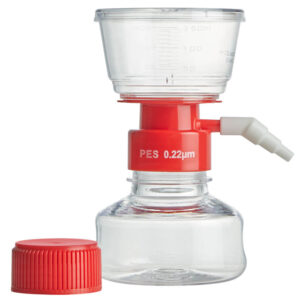
Vacuum Filter System, 150mL, 0.22μm
$86.37 Add to cart View Product DetailsPES Membrane, STERILE, 1/Bag
-
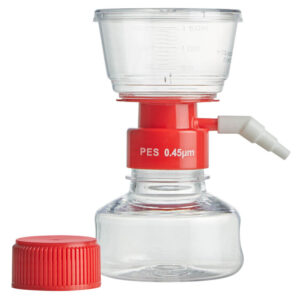
Vacuum Filter System, 150mL, 0.45μm
$86.37 Add to cart View Product DetailsPES Membrane, STERILE, 1/Bag
-
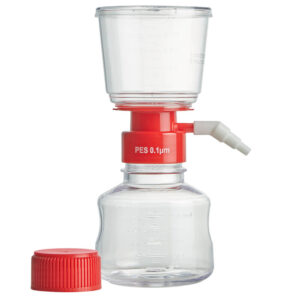
Vacuum Filter System, 250mL, 0.10μm
$119.31 Add to cart View Product DetailsPES Membrane, STERILE, 1/Bag
-
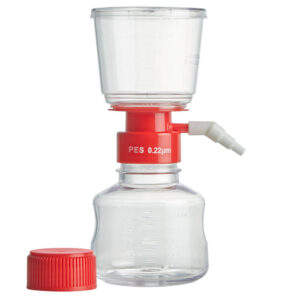
Vacuum Filter System, 250mL, 0.22μm
$103.50 Add to cart View Product DetailsPES Membrane, STERILE, 1/Bag
-
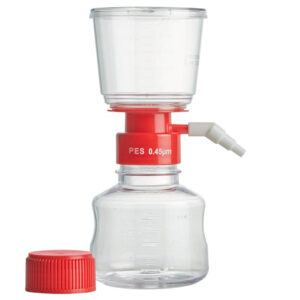
Vacuum Filter System, 250mL, 0.45μm
$103.50 Add to cart View Product DetailsPES Membrane, STERILE, 1/Bag
-
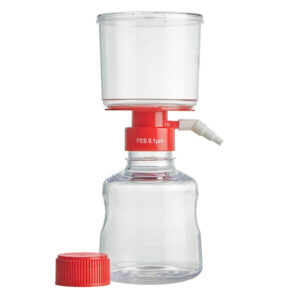
Vacuum Filter System, 500mL, 0.10μm
$163.53 Add to cart View Product DetailsPES Membrane, STERILE, 1/Bag
-
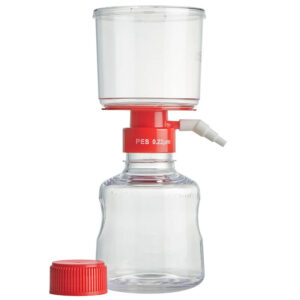
Vacuum Filter System, 500mL, 0.22μm
$141.11 Add to cart View Product DetailsPES Membrane, STERILE, 1/Bag
-
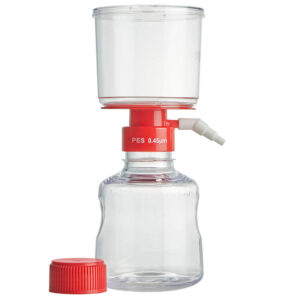
Vacuum Filter System, 500mL, 0.45μm
$141.11 Add to cart View Product DetailsPES Membrane, STERILE, 1/Bag
-
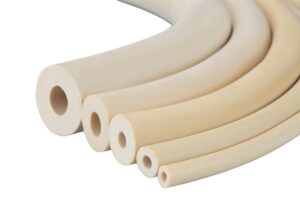
Vacuum Hose, rubber, 6mm ID
$47.96 Add to cart View Product DetailsVacuum Hose, rubber, 6mm ID
-
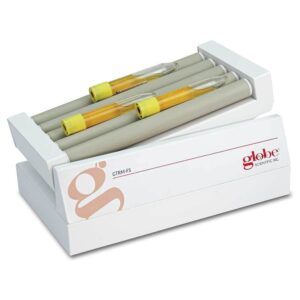
Vacuum tube roller-mixer, 120v, 60Hz
$212.59 Add to cart View Product DetailsUS Plug, 36rpm
-
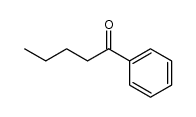
Valerophenone
$36.05 Add to cart View Product DetailsValerophenone
-

Valerophenone
$54.15 Add to cart View Product DetailsValerophenone
-

Valerophenone
$145.35 Add to cart View Product DetailsValerophenone
-
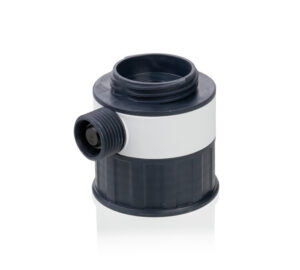
Valve block for seripettor & pro, 10ml
$32.52 Add to cart View Product DetailsValve block for seripettor & pro, 10ml
-
Valve block for seripettor & pro, 25ml
$38.48 Add to cart View Product DetailsValve block for seripettor & pro, 25ml
-
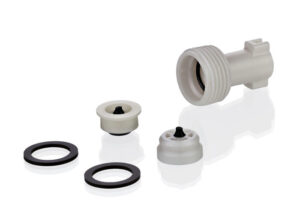
Valve set for seripettor: filling & disch, set of 2 seals
$41.86 Add to cart View Product DetailsValve set for seripettor: filling & disch, set of 2 seals
-
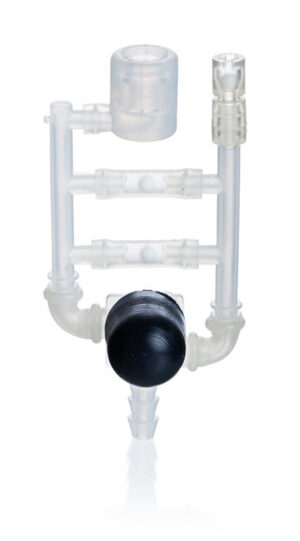
Valve system (PP) for macro pipette controller
$54.26 Add to cart View Product DetailsValve system (PP) for macro pipette controller
-
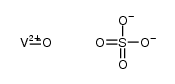
Vanadium sulfate hydrate
$206.53 Add to cart View Product DetailsVanadium Sulfate Hydrate
-

Vanderzants Vitamin Mixture for Insects
$251.60 Add to cart View Product DetailsVanderzant Vitamin Mixture for insects is an animal-derived component free vitamin mixture developed or use in insect cell culture
-

Vanderzants Vitamin Mixture for Insects
$949.72 Add to cart View Product DetailsVanderzant Modification Vitamin Mixture For Insects
-

VEGETABLE OIL HYDROGENATED
$43.77 Add to cart View Product DetailsVEGETABLE OIL HYDROGENATED
-
VEGF-A164, Mouse
$1,470.56 Add to cart View Product DetailsVascular Endothelial Growth Factor (VEGF) was initially purified from media conditioned by normal bovine pituitary folliculo-stellate cells and by a variety of transformed cell lines as a mitogen specific for vascular endothelial cells. It was subsequently found to be identical to an independently discovered vascular permeability factor (VPF), which was previously identified in media conditioned by tumor cell lines based on its ability to increase the permeability of capillary blood vessels. Three mouse cDNA clones, which arise through alternative splicing and which encode mature mouse monomeric VEGF having 120, 164, or 188, amino acids, respectively, have been identified. Two receptor tyrosine kinases (RTKs), Flt-1 and Flk-1 (the mouse homologue of human KDR), both members of the type III subclass of RTKs containing seven immunoglobulin-like repeats in their extracellular domains, have been shown to bind VEGF with high affinity. The roles of the homodimers of KDR, Flt, and the heterodimer of KDR/Flt in VEGF signal transduction remain to be elucidated. In vivo, VEGF has been found to be a potent angiogenesis inducer.
-
VEGF-A164, Mouse
$86.25 Add to cart View Product DetailsVascular Endothelial Growth Factor (VEGF) was initially purified from media conditioned by normal bovine pituitary folliculo-stellate cells and by a variety of transformed cell lines as a mitogen specific for vascular endothelial cells. It was subsequently found to be identical to an independently discovered vascular permeability factor (VPF), which was previously identified in media conditioned by tumor cell lines based on its ability to increase the permeability of capillary blood vessels. Three mouse cDNA clones, which arise through alternative splicing and which encode mature mouse monomeric VEGF having 120, 164, or 188, amino acids, respectively, have been identified. Two receptor tyrosine kinases (RTKs), Flt-1 and Flk-1 (the mouse homologue of human KDR), both members of the type III subclass of RTKs containing seven immunoglobulin-like repeats in their extracellular domains, have been shown to bind VEGF with high affinity. The roles of the homodimers of KDR, Flt, and the heterodimer of KDR/Flt in VEGF signal transduction remain to be elucidated. In vivo, VEGF has been found to be a potent angiogenesis inducer.
-
VEGF-A164, Mouse
$194.06 Add to cart View Product DetailsVascular Endothelial Growth Factor (VEGF) was initially purified from media conditioned by normal bovine pituitary folliculo-stellate cells and by a variety of transformed cell lines as a mitogen specific for vascular endothelial cells. It was subsequently found to be identical to an independently discovered vascular permeability factor (VPF), which was previously identified in media conditioned by tumor cell lines based on its ability to increase the permeability of capillary blood vessels. Three mouse cDNA clones, which arise through alternative splicing and which encode mature mouse monomeric VEGF having 120, 164, or 188, amino acids, respectively, have been identified. Two receptor tyrosine kinases (RTKs), Flt-1 and Flk-1 (the mouse homologue of human KDR), both members of the type III subclass of RTKs containing seven immunoglobulin-like repeats in their extracellular domains, have been shown to bind VEGF with high affinity. The roles of the homodimers of KDR, Flt, and the heterodimer of KDR/Flt in VEGF signal transduction remain to be elucidated. In vivo, VEGF has been found to be a potent angiogenesis inducer.
-
VEGF-C, Human
$1,323.94 Add to cart View Product DetailsVascular endothelial growth factor C (VEGF-C) is a member of the platelet-derived growth factor/vascular endothelial growth factor (PDGF/VEGF) family, is active in angiogenesis, lymphangiogenesis and endothelial cell growth and survival, and can also affect the permeability of blood vessels. VEGF-C is expressed in various tissues, however it is not produced in peripheral blood lymphocytes. It forms cell surface-associated non-covalent disulfide linked homodimers, and can bind and activate both VEGFR-2 (flk1) and VEGFR-3 (flt4) receptors. The structure and function of VEGF-C is similar to those of vascular endothelial growth factor D (VEGF-D).
-
VEGF-C, Human
$63.83 Add to cart View Product DetailsVascular endothelial growth factor C (VEGF-C) is a member of the platelet-derived growth factor/vascular endothelial growth factor (PDGF/VEGF) family, is active in angiogenesis, lymphangiogenesis and endothelial cell growth and survival, and can also affect the permeability of blood vessels. VEGF-C is expressed in various tissues, however it is not produced in peripheral blood lymphocytes. It forms cell surface-associated non-covalent disulfide linked homodimers, and can bind and activate both VEGFR-2 (flk1) and VEGFR-3 (flt4) receptors. The structure and function of VEGF-C is similar to those of vascular endothelial growth factor D (VEGF-D).
-
VEGF-C, Human
$155.25 Add to cart View Product DetailsVascular endothelial growth factor C (VEGF-C) is a member of the platelet-derived growth factor/vascular endothelial growth factor (PDGF/VEGF) family, is active in angiogenesis, lymphangiogenesis and endothelial cell growth and survival, and can also affect the permeability of blood vessels. VEGF-C is expressed in various tissues, however it is not produced in peripheral blood lymphocytes. It forms cell surface-associated non-covalent disulfide linked homodimers, and can bind and activate both VEGFR-2 (flk1) and VEGFR-3 (flt4) receptors. The structure and function of VEGF-C is similar to those of vascular endothelial growth factor D (VEGF-D).
-
VEGF-D, Human
$2,018.25 Add to cart View Product DetailsVascular Endothelial Growth Factor (VEGF)-D, also known as c-Fos-induced growth factor (FIGF), is a member of the PDGF/VEGF growth factor family. It is expressed highly in lung, heart and small intestine, and at lower levels in skeletal muscle, colon and pancreas. It binds to VEGFR-2 and VEGFR-3 receptors and activates downstream signals. VEGF-D is a growth factor active in angiogenesis, lymphangiogenesis and endothelial cell growth. It is involved in many developmental and physiological processes including the formation of venous and lymphatic vascular systems during embryogenesis and the maintenance of differentiated lymphatic endothelium in adults. In tumor pathology, it has been reported to play a role in restructuring of lymphatic channels and regional lymph node metastasis.
-
VEGF-D, Human
$94.88 Add to cart View Product DetailsVascular Endothelial Growth Factor (VEGF)-D, also known as c-Fos-induced growth factor (FIGF), is a member of the PDGF/VEGF growth factor family. It is expressed highly in lung, heart and small intestine, and at lower levels in skeletal muscle, colon and pancreas. It binds to VEGFR-2 and VEGFR-3 receptors and activates downstream signals. VEGF-D is a growth factor active in angiogenesis, lymphangiogenesis and endothelial cell growth. It is involved in many developmental and physiological processes including the formation of venous and lymphatic vascular systems during embryogenesis and the maintenance of differentiated lymphatic endothelium in adults. In tumor pathology, it has been reported to play a role in restructuring of lymphatic channels and regional lymph node metastasis.
-
VEGF-D, Human
$271.69 Add to cart View Product DetailsVascular Endothelial Growth Factor (VEGF)-D, also known as c-Fos-induced growth factor (FIGF), is a member of the PDGF/VEGF growth factor family. It is expressed highly in lung, heart and small intestine, and at lower levels in skeletal muscle, colon and pancreas. It binds to VEGFR-2 and VEGFR-3 receptors and activates downstream signals. VEGF-D is a growth factor active in angiogenesis, lymphangiogenesis and endothelial cell growth. It is involved in many developmental and physiological processes including the formation of venous and lymphatic vascular systems during embryogenesis and the maintenance of differentiated lymphatic endothelium in adults. In tumor pathology, it has been reported to play a role in restructuring of lymphatic channels and regional lymph node metastasis.
-
VEGF-R2 Fc Chimera, Mouse
$1,035.00 Add to cart View Product DetailsVEGF-R2 belongs to a family of proteins called receptor tyrosine kinases. The receptor has three main parts: one part extends out of the cell and binds to VEGF, another spans the cell’s membrane, while the third part is found inside the cell. The current model of VEGF-R2 activation is that VEGF binds to individual VEGF-R2 receptor proteins on the membrane, and brings two of them close enough to form a complex called a dimer. The receptor dimer is activated and initiates signaling within the cell. VEGF-R2 is a receptor tyrosine kinase (RTK) which transduces biochemical signals via lateral dimerization in the plasma membrane. Like most RTKs, VEGF-R2 is composed of an extracellular (EC) domain, a transmembrane (TM) domain, and an intracellular (IC) domain consisting of a kinase domain and sequences required for downstream signaling. The EC domain consists of seven immunoglobulin homology (Ig) domains, termed D1 (at the N-terminus) to D7 (closest to the membrane). VEGF-R2 binds to, and is activated by the ligands VEGF-A, VEGF-E, and a number of processed forms of VEGF-C and VEGF-D. Ligand binding to VEGF-R2 is mediated by Ig-domains 2 and 3 and the linker between D2 and D3.
-
VEGF-R2 Fc Chimera, Mouse
$172.50 Add to cart View Product DetailsVEGF-R2 belongs to a family of proteins called receptor tyrosine kinases. The receptor has three main parts: one part extends out of the cell and binds to VEGF, another spans the cell’s membrane, while the third part is found inside the cell. The current model of VEGF-R2 activation is that VEGF binds to individual VEGF-R2 receptor proteins on the membrane, and brings two of them close enough to form a complex called a dimer. The receptor dimer is activated and initiates signaling within the cell. VEGF-R2 is a receptor tyrosine kinase (RTK) which transduces biochemical signals via lateral dimerization in the plasma membrane. Like most RTKs, VEGF-R2 is composed of an extracellular (EC) domain, a transmembrane (TM) domain, and an intracellular (IC) domain consisting of a kinase domain and sequences required for downstream signaling. The EC domain consists of seven immunoglobulin homology (Ig) domains, termed D1 (at the N-terminus) to D7 (closest to the membrane). VEGF-R2 binds to, and is activated by the ligands VEGF-A, VEGF-E, and a number of processed forms of VEGF-C and VEGF-D. Ligand binding to VEGF-R2 is mediated by Ig-domains 2 and 3 and the linker between D2 and D3.
-
VEGF-R2 Fc Chimera, Mouse
$103.50 Add to cart View Product DetailsVEGF-R2 belongs to a family of proteins called receptor tyrosine kinases. The receptor has three main parts: one part extends out of the cell and binds to VEGF, another spans the cell’s membrane, while the third part is found inside the cell. The current model of VEGF-R2 activation is that VEGF binds to individual VEGF-R2 receptor proteins on the membrane, and brings two of them close enough to form a complex called a dimer. The receptor dimer is activated and initiates signaling within the cell. VEGF-R2 is a receptor tyrosine kinase (RTK) which transduces biochemical signals via lateral dimerization in the plasma membrane. Like most RTKs, VEGF-R2 is composed of an extracellular (EC) domain, a transmembrane (TM) domain, and an intracellular (IC) domain consisting of a kinase domain and sequences required for downstream signaling. The EC domain consists of seven immunoglobulin homology (Ig) domains, termed D1 (at the N-terminus) to D7 (closest to the membrane). VEGF-R2 binds to, and is activated by the ligands VEGF-A, VEGF-E, and a number of processed forms of VEGF-C and VEGF-D. Ligand binding to VEGF-R2 is mediated by Ig-domains 2 and 3 and the linker between D2 and D3.
-
VEGF120, Mouse
$3,187.80 Add to cart View Product DetailsVEGF was initially purified from media conditioned by normal bovine pituitary folliculo-stellate cells and by a variety of transformed cell lines as a mitogen specific for vascular endothelial cells. It was subsequently found to be identical to an independently discovered vascular permeability factor (VPF), which was previously identified in media conditioned by tumor cell lines based on its ability to increase the permeability of capillary blood vessels. Three mouse cDNA clones, which arise through alternative splicing and which encode mature mouse monomeric VEGF having 120, 164, or 188, amino acids, respectively, have been identified. Two receptor tyrosine kinases (RTKs), Flt-1 and Flk-1 (the mouse homologue of human KDR), both members of the type III subclass of RTKs containing seven immunoglobulin-like repeats in their extracellular domains, have been shown to bind VEGF with high affinity. The roles of the homodimers of KDR, Flt, and the heterodimer ofKDR/Flt in VEGF signal transduction remain to be elucidated.In vivo, VEGF has been found to be a potent angiogenesis inducer.
-
VEGF120, Mouse
$194.93 Add to cart View Product DetailsVEGF was initially purified from media conditioned by normal bovine pituitary folliculo-stellate cells and by a variety of transformed cell lines as a mitogen specific for vascular endothelial cells. It was subsequently found to be identical to an independently discovered vascular permeability factor (VPF), which was previously identified in media conditioned by tumor cell lines based on its ability to increase the permeability of capillary blood vessels. Three mouse cDNA clones, which arise through alternative splicing and which encode mature mouse monomeric VEGF having 120, 164, or 188, amino acids, respectively, have been identified. Two receptor tyrosine kinases (RTKs), Flt-1 and Flk-1 (the mouse homologue of human KDR), both members of the type III subclass of RTKs containing seven immunoglobulin-like repeats in their extracellular domains, have been shown to bind VEGF with high affinity. The roles of the homodimers of KDR, Flt, and the heterodimer ofKDR/Flt in VEGF signal transduction remain to be elucidated.In vivo, VEGF has been found to be a potent angiogenesis inducer.
-
VEGF121, Human
$86.25 Add to cart View Product DetailsVEGF-A121 is one of five isoforms (121, 145, 165, 189, and 206) of VEGF protein, a cytokine belonging to the Platelet Differentiation Growth Factor (PDGF) family, and existing as a disulfide-linked homodimeric glycoprotein. In contrast to the longer isoforms, VEGF-A121 is more freely diffusible, and cannot bind to heparin. In vivo, VEGF is expressed predominantly in lung, heart, kidney, and adrenal glands, and the expression of VEGF is up-regulated by a number of growth factors, including PDGF, Fibroblast Growth Factor (FGF), Epidermal Growth Factor (EGF), and Tumor Necrosis Factor (TNF). VEGF signals via binding to two tyrosine kinase receptors: the Fms-like tyrosine kinase 1 (Flt-1) and the kinase domain receptor (KDR). VEGF is a specific mitogen and survival factor, contributing to abnormal angiogenesis and cancer development.
-
VEGF121, Human
$271.69 Add to cart View Product DetailsVEGF-A121 is one of five isoforms (121, 145, 165, 189, and 206) of VEGF protein, a cytokine belonging to the Platelet Differentiation Growth Factor (PDGF) family, and existing as a disulfide-linked homodimeric glycoprotein. In contrast to the longer isoforms, VEGF-A121 is more freely diffusible, and cannot bind to heparin. In vivo, VEGF is expressed predominantly in lung, heart, kidney, and adrenal glands, and the expression of VEGF is up-regulated by a number of growth factors, including PDGF, Fibroblast Growth Factor (FGF), Epidermal Growth Factor (EGF), and Tumor Necrosis Factor (TNF). VEGF signals via binding to two tyrosine kinase receptors: the Fms-like tyrosine kinase 1 (Flt-1) and the kinase domain receptor (KDR). VEGF is a specific mitogen and survival factor, contributing to abnormal angiogenesis and cancer development.
-
VEGF164, Mouse
$155.25 Add to cart View Product DetailsVascular Endothelial Growth Factor (VEGF) was initially purified from media conditioned by normal bovine pituitary folliculo-stellate cells and by a variety of transformed cell lines as a mitogen specific for vascular endothelial cells. It was subsequently found to be identical to an independently discovered vascular permeability factor (VPF), which was previously identified in media conditioned by tumor cell lines based on its ability to increase the permeability of capillary blood vessels. Three mouse cDNA clones, which arise through alternative splicing and which encode mature mouse monomeric VEGF having 120, 164, or 188, amino acids, respectively, have been identified. Two receptor tyrosine kinases (RTKs), Flt-1 and Flk-1 (the mouse homologue of human KDR), both members of the type III subclass of RTKs containing seven immunoglobulin-like repeats in their extracellular domains, have been shown to bind VEGF with high affinity. The roles of the homodimers of KDR, Flt, and the heterodimer of KDR/Flt in VEGF signal transduction remain to be elucidated. In vivo, VEGF has been found to be a potent angiogenesis inducer.